
2026 Influencer Marketing Trends
Influencer marketing is trending (again) in 2026, but this year, the game has changed. It’s no longer about big names and bigger budgets - it’s about trust. Influencer Marketing is more strategic than ever with smaller creators, real audiences, and results that matter.
According to the 2025 Influencer Trust Index:
58% of consumers have made a purchase because of influencer endorsements
- But credibility and authenticity are now the deciding factors
The biggest trust killers for consumers include:
- Influencers who are not genuine or transparent (80%)
- Content that promotes unrealistic lifestyles (71%)
- Failure to disclose brand relationships (64%)
So how does a brand join the game? By choosing the trends that actually make sense for your audience.
1. Nano Influencers
Nano influencers are small but mighty. They may only have 1,000 to 10,000 followers, but their audience is highly engaged.
According to the Influencer Marketing Report 2025, Industry benchmarks show engagement rates of approximately 2.7% for nanoinfluencers, compared with less than 1% for macro creators. For shoppers, that means more genuine interaction and a higher chance of influencing purchase behavior.
Why? Because nano influencers feel more like friends than influencers. They show up authentically. They’re relatable. Their followers trust their opinions and recommendations in a way that doesn’t always translate with larger creators.
So what does this mean for small businesses?
It means you probably already have potential influencers in your own neighborhood. People who shop with you, love your brand, and share about it organically. These are the creators worth partnering with, whether through paid collaborations, product gifting, or ongoing relationships. Their recommendations carry weight because your community already trusts them.
2. Influencer Groups
This trend might be my favorite because it proves the power of community in real time.
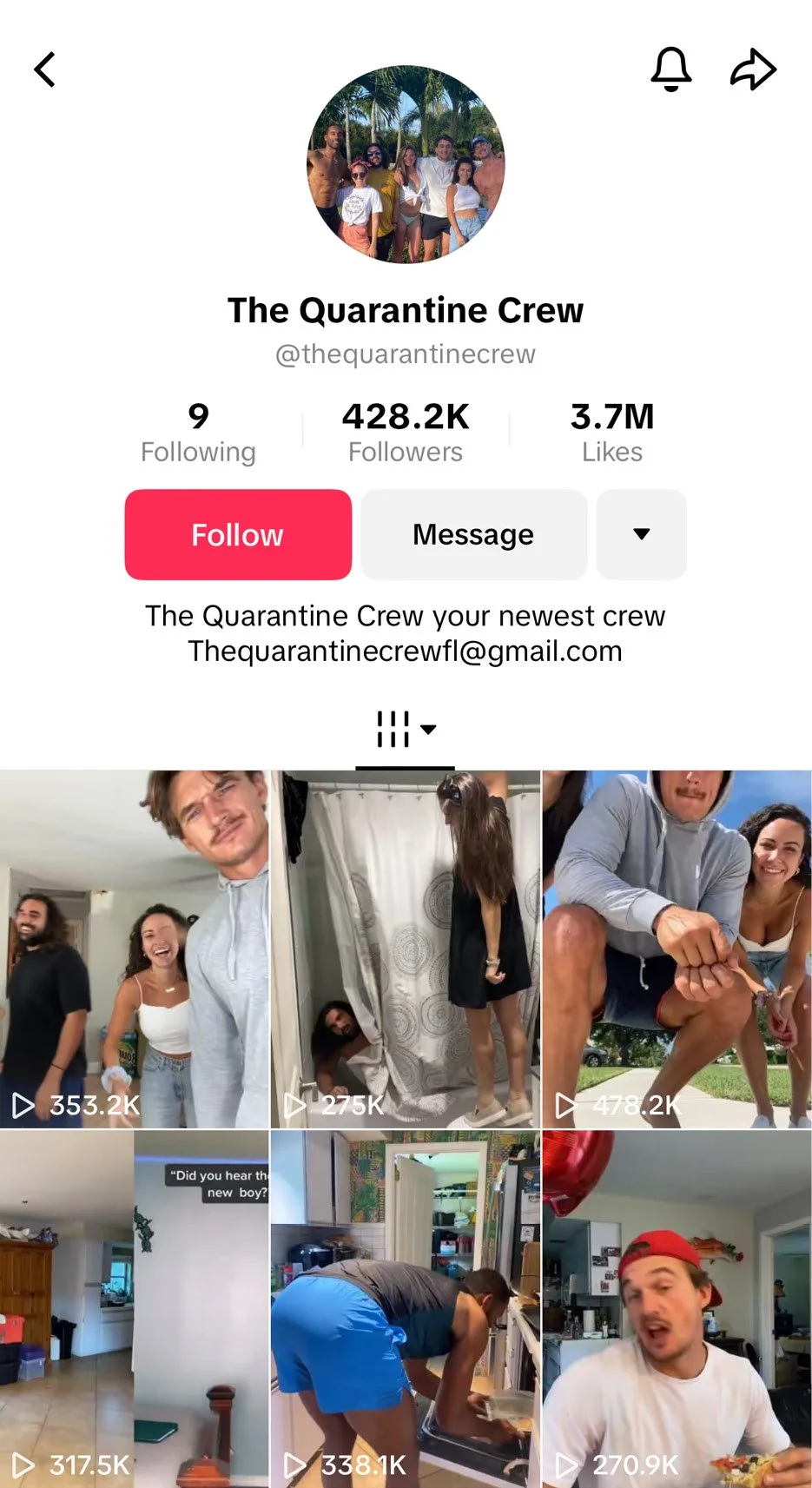
Remember the Quarantine Crew? They’re one of the earliest examples of an influencer group I can think of, and they were ahead of their time. @thequarantinecrew was a viral TikTok group of seven friends who shared their lives during COVID in 2020.
The group account reached over 428K followers, and each individual member had their own audience as well. Some had a head start thanks to their appearances on The Bachelor and The Bachelorette, but that mix is what made the group so interesting. Different personalities, different followings, one shared platform.
So what does this mean? Sometimes, more influencers are better than one. Group accounts work because:
They offer multiple personalities and perspectives to connect with
They give audiences options for who to resonate with
They create a loop of discovery - one viral moment leads to another creator, then back to the group again
Once you find one creator, you’ll usually find the rest. It’s a win-win for everyone’s growth.
At its core, an influencer group has a shared identity or something that brings the group together, like a job, location, niche, lifestyle, or interest. The individuals in the group offer different personalities, specialties, and ideas.
A modern example is MomTok, a massive TikTok community of mothers sharing relatable parenting content. There are MomTok groups all over the world, but the most well-known circle is the Utah-based group tied to Taylor Frankie Paul, originally from Secret Lives of Mormon Wives and now part of the new season of The Bachelorette. Love them or hate them, they’re a case study in how group identity fuels audience expansion.
3. UGC Creators
Arguably, the most natural and relatable content comes from UGC creators. According to Later.com, a UGC creator is someone who’s paid to produce content that feels like organic user-generated content, the kind customers post on their own when they genuinely love something.
Traditionally, UGC just…happened. It was the tagged photos, the unboxing videos, the quick product reviews in online communities. But now brands are hiring creators to make this style of content on purpose — and honestly, it’s having a moment. Paid UGC takes everything people already love about organic UGC and levels it up with strategy, consistency, and quality.
The best part? UGC creators are hired for their content skills, not their follower count. They don’t have to be influencers. They just have to tell a good story, film content that looks and feels real, and make someone think, “I want to try that.”
Apple has been doing this for years with its iconic Shot on iPhone campaign. For the last decade, Apple has invited iPhone users to share their best photos and videos they’ve taken on their device using the hashtag #ShotOniPhone. Creating the ultimate UGC content library to use across their marketing channels. Proof that real customers can be your most powerful creative team.
Why it works?
- Authenticity: Real content created by real users
- Product Experience: It shows what the product actually does
- Trust: It turns customers into advocates, not ads

4. AI-Generated Virtual Influencers
Now, to contradict everything I just said, Virtual influencers are trending in 2026. Because why not? According to Meltwater, AI influencers are a digital persona with a social media following who can influence others’ behaviors, actions, and decisions…just like human creators.
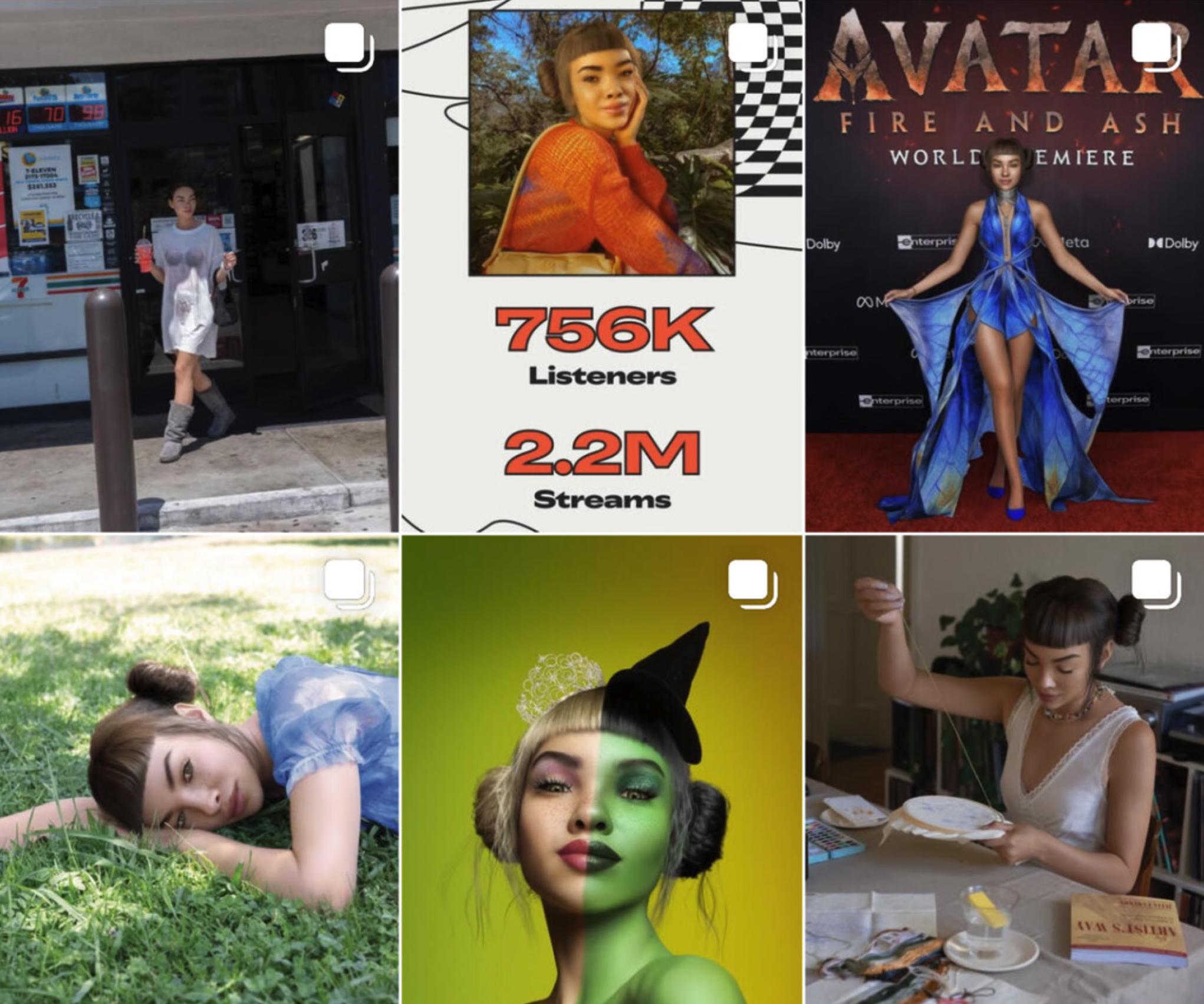
With the right tools and technology, brands can literally build the “perfect” influencer. Meet Lil Miquela, the virtual LA “it girl” who’s been around since 2016 and now has 2.3 million followers. She’s not real, but the engagement is.
So what happened to relatability and authenticity? That’s where it gets messy. According to Meltwater, social media users are pushing back on:
- Transparency (is it clear what’s AI vs human?)
- Job displacement for real creators
- Algorithm and audience manipulation
- The ethical line between AI and deepfake tech
Recently, The University of Findlay, introduced an AI-powered avatar named Daphne who will engage with UF alumni, friends, and community members as their new virtual engagement officer (VEO).
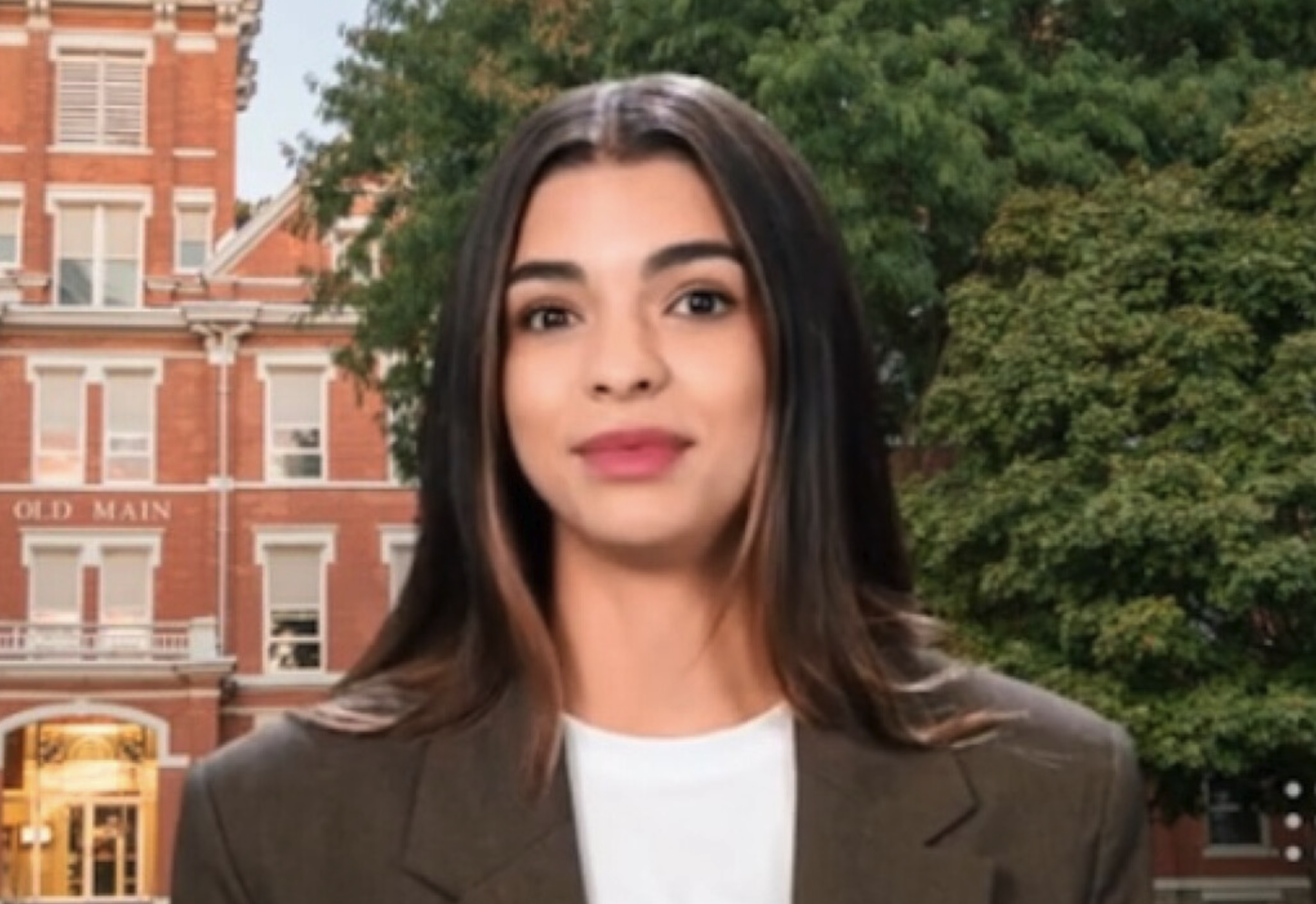
Ken McIntyre Jr., vice president of University advancement, said Daphne will interact with alumni and friends through email and text messages by sharing information on events, engagement opportunities, and other areas of the University.
Her recent post (now deleted) sparked backlash from alumni who felt this move missed the mark — arguing it lacked authenticity, didn’t feel community-driven, and wasn’t the best use of resources.
What do you think?
So…where do we go from here?
For me, it’s simple. Stay true to your brand. Know which trends should be passed on and which trends are worth jumping on. Not every trend deserves your attention. Not every brand needs AI. Not every creator needs a million followers.
Do what aligns with:
- Your customers
- Your values
- Your capacity
- Your actual goals
Because the real strategy isn’t chasing trends. It’s knowing which ones to say yes to, and which ones to leave in 2025.